June 17, 2026
Modern society relies on continuous power to maintain baseline operations across all sectors. From running household appliances to powering massive industrial plants, electricity serves as the lifeblood of contemporary infrastructure. Service disruptions halt productivity and compromise safety for all occupants. Building occupants expect seamless operation at every moment of the day. Maintaining such reliability requires deep expertise and precise execution from trained specialists.
Specialized professionals handle the installation and maintenance of these complex systems. Property managers rely on electrical contractors to design, install, and repair intricate wiring networks. These experts ensure buildings remain safe, functional, and compliant with strict safety regulations. Their work spans various domains, covering residential dwellings and expansive commercial facilities. Understanding their role helps property owners know when expert intervention becomes necessary for system longevity.
Examining the Scope of Daily Operations
The duties of electrical contractors extend beyond changing light fixtures. These professionals map out entire power grids for new constructions, ensuring every outlet and switch operates with precision. They read blueprints, coordinate with structural engineers, and route wires through walls before drywall installation finishes. Their meticulous oversight prevents future malfunctions and secures the structural integrity of the surrounding building materials against heat damage.
Mastery of safety codes defines this profession. Municipalities enforce strict rules regarding wiring methods, grounding techniques, and panel locations. Professionals study these regulations in depth to protect buildings from inherent fire hazards. Proper permitting and rigorous municipal inspections accompany major projects, guaranteeing complete compliance with local laws. This dedication to protocol shields property owners from legal liabilities and potential insurance claim denials.
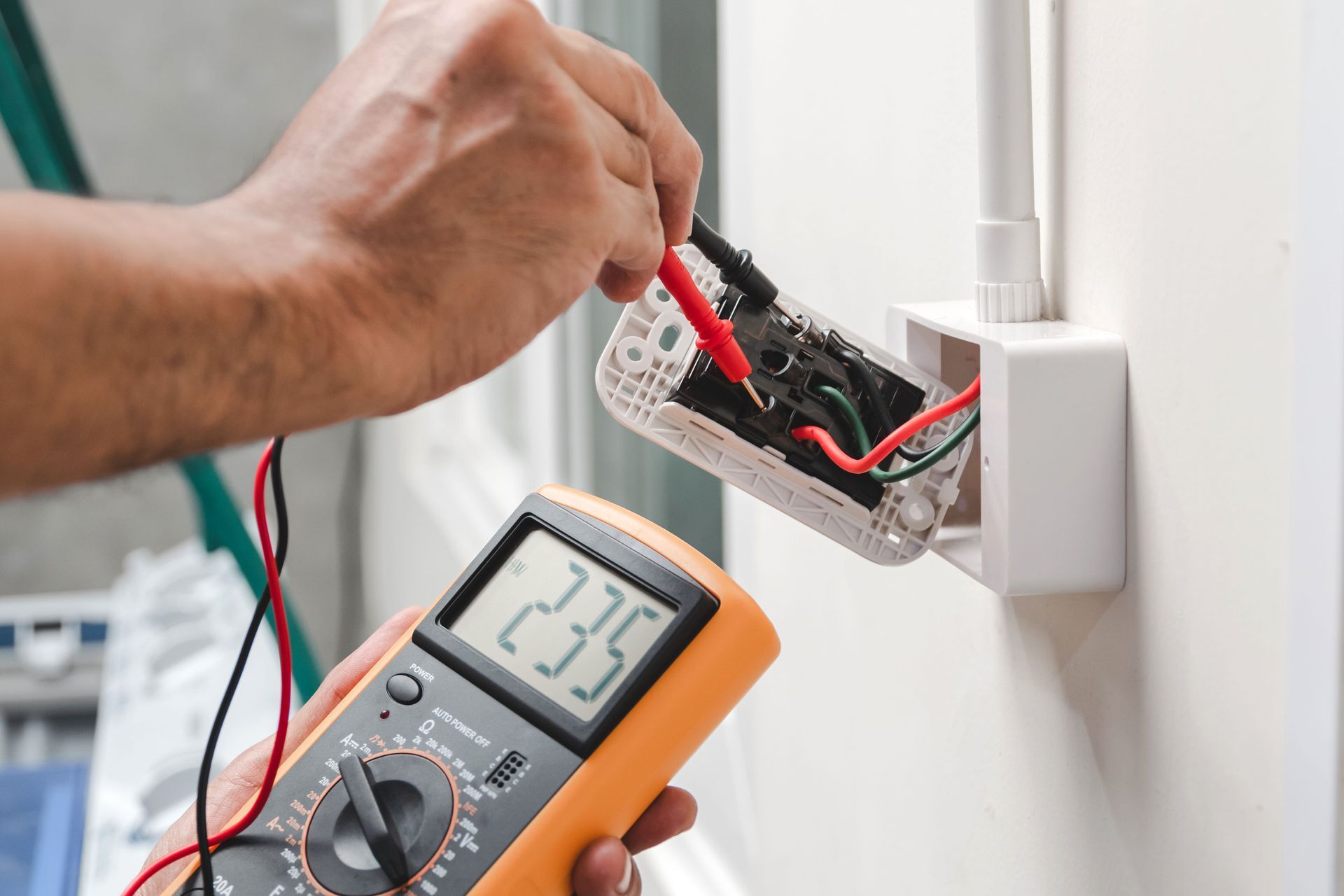
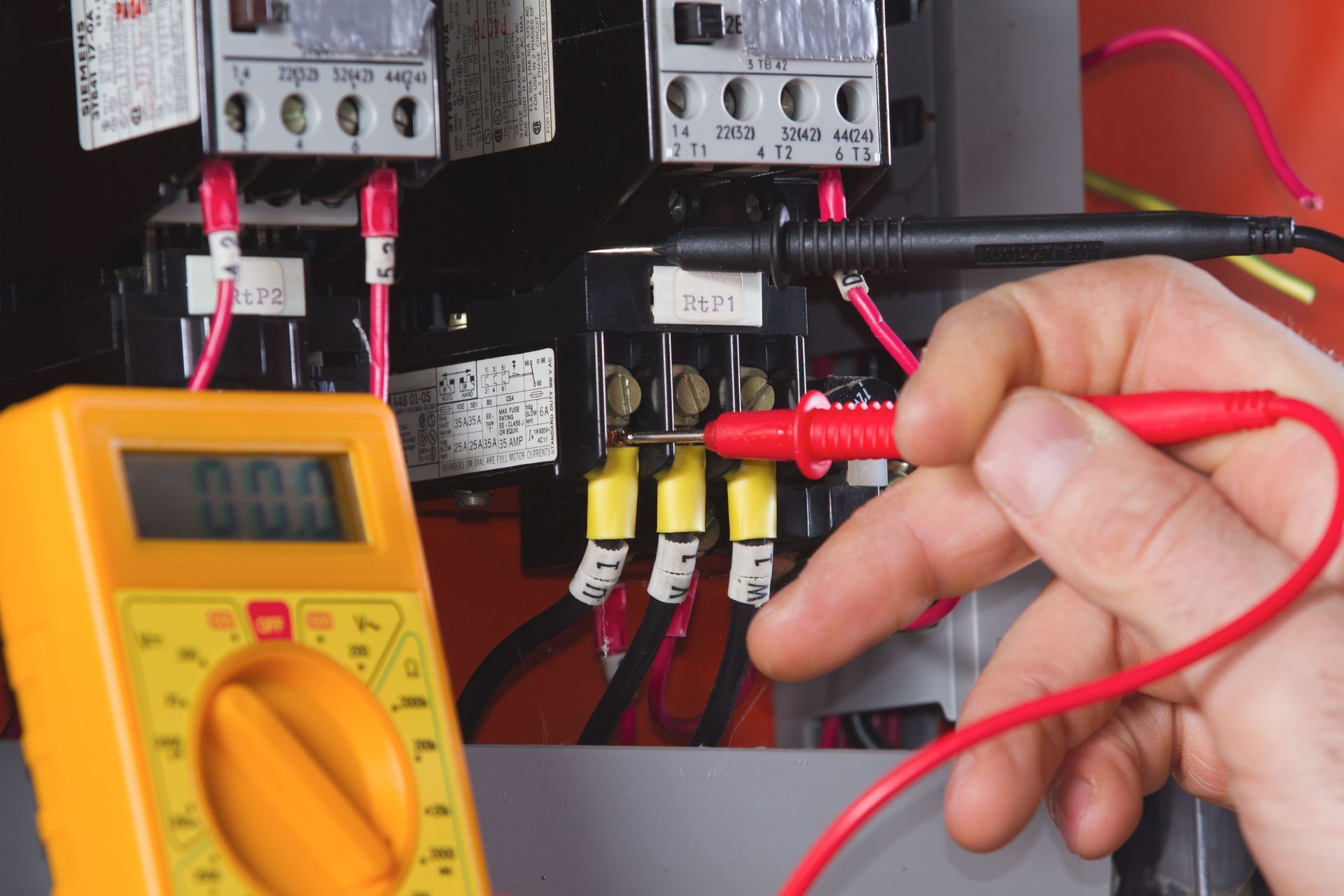
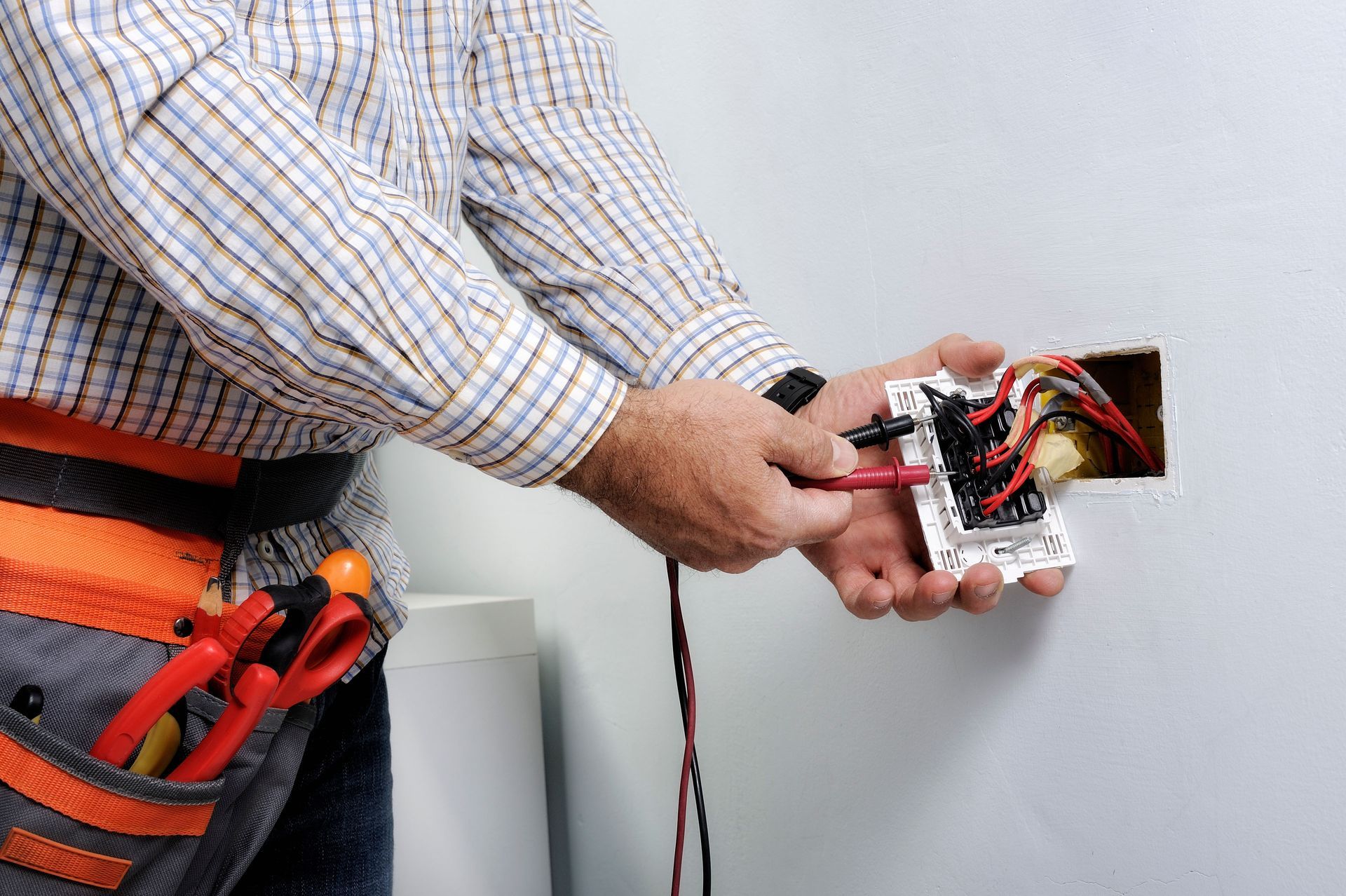
Distinguishing between casual repair workers and specialized firms proves essential for property safety. General maintenance workers might replace basic switches, but complex installations require expertise. Attempting amateur repairs on major circuits risks severe injury or property damage. Contacting dedicated firms mitigates these risks and guarantees proper functionality. Specialists bring specialized tools and diagnostic equipment required to pinpoint elusive system faults.
The demand for such expertise continues to grow as technology advances across the nation. According to Global Market Insights, the United States electrical services market is projected to reach $294.6 billion by 2034. This expansion reflects the rising need for sustainable energy solutions, smart building integrations, and continuous grid modernization. As infrastructure ages, the need for skilled tradespeople to overhaul and update these systems becomes paramount.
Identifying the Signs of Residential Hazards
Homeowners must remain vigilant for subtle warnings of power instability within their living spaces. Flickering lights, warm switch plates, and frequent circuit breaker trips indicate underlying systemic issues. Many people dismiss these symptoms as minor annoyances, yet they serve as critical alerts of potential system failure. Ignoring these warning signs creates dangerous environments and leaves the home vulnerable to sudden outages or severe electrical fires.
Older homes carry specific vulnerabilities due to outdated infrastructure. Properties built in previous eras feature obsolete wiring methods incapable of handling modern energy loads. When residents notice burning odors near outlets or hear buzzing sounds inside walls, they should contact electrical contractors for an assessment. Such anomalies require professional diagnostics to determine the root cause. Delaying this assessment puts the entire structure in jeopardy.
Proactive maintenance prevents catastrophic events and protects property value. Faulty wiring remains a leading cause of residential fires across the globe. Scheduled inspections identify frayed cables, loose connections, and overloaded circuits before they ignite surrounding materials. Correcting these deficiencies protects families and preserves the structural integrity of the home. Preventive care provides peace of mind and saves money on extensive emergency repairs.
Severe weather events and power surges compromise residential systems. Intense storms damage exterior service lines or overwhelm interior protective devices. Following major weather incidents, thorough evaluations ensure no hidden damage threatens the property. Swift remediation restores stability and prevents degraded components from failing during peak usage periods. Maintaining resilient systems requires periodic checks by trained personnel after intense environmental stressors.
Navigating the Complexities of Commercial Demands
Businesses operate on massive scales, requiring durable infrastructure to power machinery, servers, and extensive lighting arrays. Small retail shops and sprawling manufacturing plants depend on stable energy flows to maintain daily operations. Any interruption translates into lost revenue and diminished productivity. Commercial properties demand heavy-duty components capable of withstanding constant use without degrading or failing under the pressure of continuous operation.
Commercial environments face stringent regulatory scrutiny from governing bodies. Workplace safety authorities mandate scheduled system testing and detailed record-keeping to ensure worker protection. Compliance prevents costly fines and protects employees from workplace hazards. Structured maintenance schedules keep facilities operating within legal parameters. Facility managers depend on experts to perform these audits and provide the necessary documentation required by local inspectors and insurance agencies.
Whenever companies expand or reconfigure workspaces, electrical contractors manage the necessary power realignments. Moving heavy equipment or adding office cubicles necessitates new dedicated circuits and strategic outlet placement. Proper planning during these transitions prevents unexpected overloads and tripped breakers. Specialists evaluate the total load requirements of the new layout and upgrade the main distribution panels to accommodate the increased energy consumption of the business.
The rise of data centers and automated logistics facilities introduces unprecedented power requirements. These specialized environments demand redundant power supplies, backup generators, and sophisticated surge protection mechanisms. Managing such large energy loads requires advanced engineering capabilities and meticulous execution. Failure in these high-stakes environments causes data loss and logistical nightmares. Retaining specialized talent ensures these critical facilities remain online despite external grid fluctuations.
Evaluating the Need for System Upgrades
Renovating properties presents ideal opportunities for fundamental infrastructure improvements. Tearing down walls exposes hidden wiring, making panel replacements and cable rerouting accessible. Whenever property owners undertake major remodeling projects, bringing in electrical contractors ensures the updated space receives adequate power distribution. Integrating new wiring during the framing stage saves significant time and effort compared to retrofitting finished rooms with new connections.
The integration of modern appliances demands significant energy capacity from the main panel. Adding high-draw devices like heavy-duty ovens, central air conditioning units, or vehicle charging stations strains old breakers. Upgrading the main service panel provides the necessary amperage to support these contemporary conveniences. Without these upgrades, the system risks frequent overloads, leading to tripped circuits and potential overheating within the main distribution box.
Energy efficiency initiatives drive subsequent waves of system enhancements in homes and offices. Upgrading to smart lighting controls, programmable thermostats, and automated energy management systems reduces utility expenses. Property owners invest in these modifications to lower their carbon footprint and decrease monthly operating costs. Modernizing the infrastructure allows for immense control over power usage, ensuring energy flows only to areas requiring illumination or climate control.
Future-proofing buildings adds long-term value and market appeal. Installing spare conduits and oversized panels anticipates future technological needs. As society shifts toward renewable energy sources and increased automation, adaptable power infrastructure becomes a crucial asset for any property. Taking steps to enhance the capacity of buildings prepares the structures for innovations, making the property desirable to potential buyers and tenants.
Maintaining reliable power supplies requires attention and specialized skills. Qualified electrical contractors provide the technical knowledge and practical experience necessary to keep modern infrastructure functioning. From mapping out commercial grids to resolving residential hazards, their expertise guarantees safety and efficiency across the board. Without their intervention, modern buildings would lack the stability required to support daily life and commercial enterprise.
Property owners must recognize their limits and seek professional assistance when dealing with power systems. Prompt identification of hazards and investment in proactive upgrades prevent dangerous malfunctions. Prioritizing proper maintenance and expert installation sustains the energy networks that power civilization. Contacting seasoned professionals secures the property, protects the occupants, and guarantees the seamless operation of all integrated systems for the foreseeable future. When you are ready to modernize your infrastructure or resolve hidden hazards, reach out to us at G.E. Smith Electric Inc. As your dedicated electrical contractors, we will ensure your property operates safely and efficiently.